
Category: Bookkeeping

  • February Bookkeeping Checklist for Small Businesses | Get Ready for Tax Season

    February Bookkeeping Checklist for Small Businesses | Get Ready for Tax Season

    February often feels like the “in-between” month.

    The holidays are behind us.
    January’s fresh-start energy is fading.
    And tax season is quietly picking up speed.

    For many small business owners, this is when bookkeeping starts to feel… overwhelming.

    But here’s the good news: February is actually one of the best months to get your finances organized—before things get stressful.

    Let’s talk about why this month matters and what you can do right now to stay ahead.


    Why February Matters for Your Books

    By February, most businesses:

    ✔ Have a full month of real data from the new year
    ✔ Are receiving tax documents (1099s, W-2s, statements)
    ✔ Are thinking about last year’s taxes
    ✔ Are already juggling new goals and daily operations

    If your books aren’t clean now, small issues can quickly turn into big headaches by March and April.

    A little attention in February can save you a lot of time, money, and stress later.


    5 Smart Financial Moves to Make This Month

    1. Reconcile January Completely

    Make sure all January bank and credit card accounts are reconciled.

    This confirms:

    • Your balances are accurate
    • No transactions are missing
    • No duplicates or errors exist

    If January isn’t clean, everything after it will be harder.


    2. Review Last Year’s Records

    Before tax filing ramps up, check that:

    • Income is categorized correctly
    • Expenses are properly recorded
    • Owner draws/payments are accurate
    • Loans and liabilities are up to date

    Catching issues now prevents last-minute scrambling later.


    3. Organize Your Documents

    Create a simple digital folder for:

    • Bank statements
    • Credit card statements
    • Receipts
    • Payroll reports
    • 1099/W-2 copies

    Organization saves hours when reports or tax questions come up.


    4. Check Your Cash Flow

    February is a great time to ask:

    💡 Are invoices being paid on time?
    💡 Are expenses creeping up?
    💡 Do you have enough reserves?

    Understanding your cash flow early helps you plan confidently for the year ahead.


    5. Set a Simple Monthly Routine

    Consistency is everything in bookkeeping.

    Try this monthly habit:
    ✔ Upload documents
    ✔ Reconcile accounts
    ✔ Review reports
    ✔ Ask questions early

    Even 30–60 minutes a month makes a big difference.


    Common February Bookkeeping Struggles (You’re Not Alone)

    Many business owners tell me:

    “I’m behind and don’t know where to start.”
    “I’m scared something is wrong.”
    “I’ll deal with it later.”

    Here’s the truth: Most messy books aren’t caused by neglect. They’re caused by being busy.

    Running a business is hard. You’re doing your best.

    Getting help isn’t failure—it’s smart leadership.


    How Professional Bookkeeping Helps Right Now

    Working with a bookkeeper in February can help you:

    ✔ Prepare for tax season
    ✔ Avoid penalties and surprises
    ✔ Improve cash flow
    ✔ Make better business decisions
    ✔ Gain peace of mind

    Instead of guessing, you’ll know exactly where your business stands.


    Let’s Make This Your Strongest Financial Year Yet

    February isn’t about perfection.

    It’s about progress.

    Small steps now lead to smoother months ahead.

    If your books feel overwhelming—or you just want reassurance that everything is on track—I’m here to help.

    📩 Reach out anytime to schedule a review or consultation. Contact

    Let’s make this year organized, confident, and profitable.

    Helpful Resources

    Bookkeeping Services Offered

    Resources

    Internal Revenue Service Small Business Tax Guide

  • Small Business Bookkeeping Services in Oregon | January Reset

    Small Business Bookkeeping Services in Oregon | January Reset

    Many small business owners wait until tax season to look closely at their books. By then, stress levels are high, deadlines are looming, and mistakes from the prior year can cost both time and money. Cleaning up your books in January helps you avoid that scramble and start the year on solid financial ground.

    Here’s why January is the ideal time to get your bookkeeping back on track.

    1. You’re Closing One Year and Starting Fresh

    January allows you to cleanly close the prior year and begin the new one with accurate balances. This means:

    • Bank and credit cards are reconciled
    • Income and expenses are properly categorized
    • Outstanding issues from last year are addressed before they snowball

    A clean starting point makes everything else easier.

    2. Tax Season Is Coming—Whether You’re Ready or Not

    Waiting until March or April to fix bookkeeping issues often leads to rushed decisions and unnecessary stress. Cleaning up in January:

    • Reduces back-and-forth with your tax preparer
    • Helps ensure deductions aren’t missed
    • Prevents surprises when it’s time to file

    Organized books now = smoother tax season later.

    3. You Can Catch Problems Early

    January cleanup often uncovers:

    • Duplicate or missing transactions
    • Misclassified expenses
    • Personal charges mixed with business spending
    • Payments that never cleared

    Catching these early prevents inaccurate financial reports and protects your business from costly errors.

    4. Clean Books Help You Make Better Decisions

    Accurate financials allow you to:

    • Understand your true profit
    • Monitor cash flow
    • Plan for expenses, growth, or hiring
    • Set realistic goals for the year ahead

    You can’t manage what you don’t measure—and bookkeeping is the foundation.

    5. You Save Time, Money, and Mental Energy

    When bookkeeping is ignored, it doesn’t go away—it piles up. January cleanup helps you:

    • Avoid hours of DIY stress later
    • Reduce the cost of emergency fixes
    • Free up time to focus on running your business

    Peace of mind is an underrated benefit of clean books.

    Start the Year Organized

    If your books feel overwhelming, you’re not alone. Many small business owners start the year unsure where they stand financially—and that’s exactly why January is the perfect time to take action.

    Whether you need a full cleanup or just want to be confident your numbers are accurate, getting organized now sets the tone for the rest of the year.

    Many small business owners wait until tax season to look closely at their books. By then, stress levels are high, deadlines are looming, and mistakes from the prior year can cost both time and money. Cleaning up your books in January helps you avoid that scramble and start the year on solid financial ground.

    Here’s why January is the ideal time to get your bookkeeping back on track.


    1. You’re Closing One Year and Starting Fresh

    January allows you to cleanly close the prior year and begin the new one with accurate balances. This means:

    • Bank and credit cards are reconciled
    • Income and expenses are properly categorized
    • Outstanding issues from last year are addressed before they snowball

    A clean starting point makes everything else easier.


    2. Tax Season Is Coming—Whether You’re Ready or Not

    Waiting until March or April to fix bookkeeping issues often leads to rushed decisions and unnecessary stress. Cleaning up in January:

    • Reduces back-and-forth with your tax preparer
    • Helps ensure deductions aren’t missed
    • Prevents surprises when it’s time to file

    Organized books now = smoother tax season later.

    Clean bookkeeping also supports compliance with guidance from the IRS and the Small Business Administration (SBA).


    3. You Can Catch Problems Early

    January cleanup often uncovers:

    • Duplicate or missing transactions
    • Misclassified expenses
    • Personal charges mixed with business spending
    • Payments that never cleared

    Catching these early prevents inaccurate financial reports and protects your business from costly errors.


    4. Clean Books Help You Make Better Decisions

    Accurate financials allow you to:

    • Understand your true profit
    • Monitor cash flow
    • Plan for expenses, growth, or hiring
    • Set realistic goals for the year ahead

    You can’t manage what you don’t measure—and bookkeeping is the foundation.


    5. You Save Time, Money, and Mental Energy

    When bookkeeping is ignored, it doesn’t go away—it piles up. January cleanup helps you:

    • Avoid hours of DIY stress later
    • Reduce the cost of emergency fixes
    • Free up time to focus on running your business

    Peace of mind is an underrated benefit of clean books.


    Start the Year Organized

    If your books feel overwhelming, you’re not alone. Many small business owners start the year unsure where they stand financially—and that’s exactly why January is the perfect time to take action.

    Whether you need a full cleanup or just want to be confident your numbers are accurate, getting organized now sets the tone for the rest of the year. See our monthly bookkeeping services.

    📅 Ready to start the year with clean books?
    👉 Schedule a January bookkeeping cleanup or a free consultation today.

  • Free Bookkeeping Checklist for Small Business Owners

    Free Bookkeeping Checklist for Small Business Owners

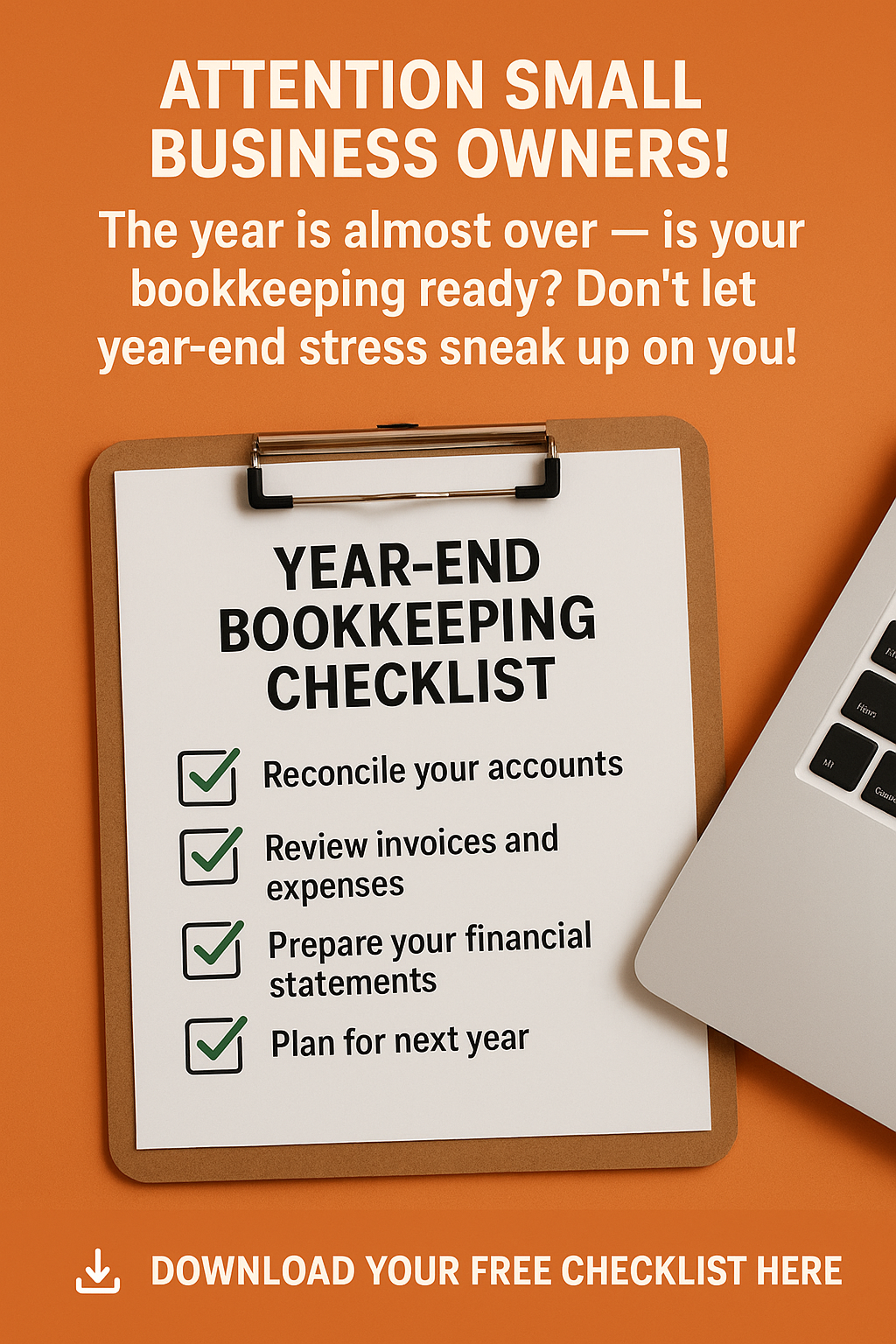
    As the year comes to a close, it’s the perfect time for small business owners to take a close look at their finances. Closing out your books properly can save time, reduce stress, and even prevent costly mistakes when tax season rolls around.

    Our Year-End Bookkeeping Checklist is designed to help you:

    • Reconcile all your accounts accurately
    • Review unpaid invoices and outstanding bills
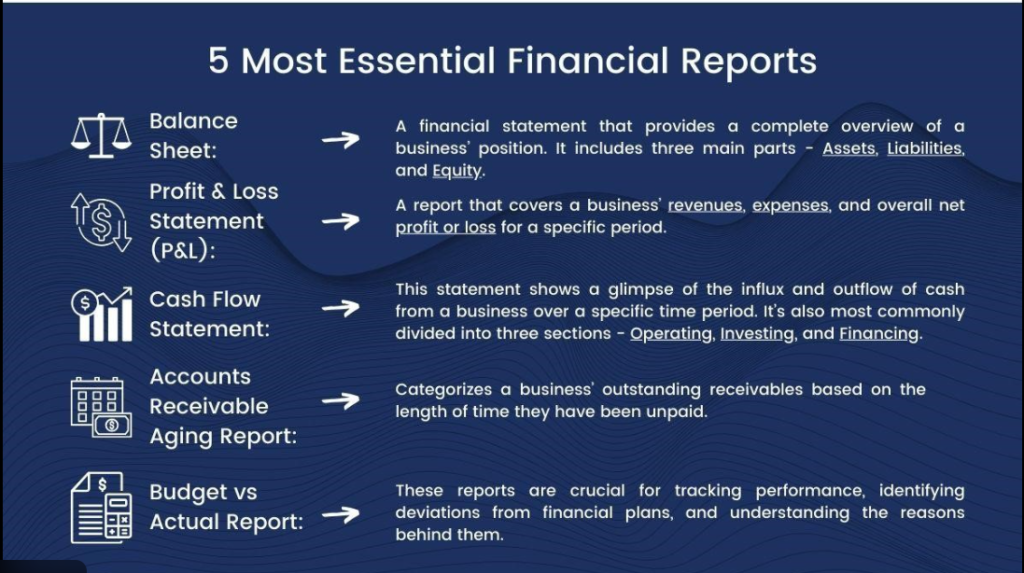
    • Prepare financial statements like Profit & Loss and Balance Sheets
    • Identify tax deductions and ensure expenses are categorized correctly
    • Backup your records and plan for the year ahead

    Whether you’re a seasoned business owner or just getting started, this checklist makes sure you don’t miss any critical year-end steps.

    📥 Download your free Year-End Bookkeeping Checklist here and make closing out your year fast, simple, and stress-free!

  • Year-End Business Prep: Why Planning Now Saves Time, Stress, and Money

    As the year draws to a close, businesses face a unique set of financial tasks that can feel overwhelming if left until the last minute. Year-end business preparation isn’t just about staying organized—it’s about making strategic decisions that can save time, reduce stress, and even maximize tax benefits.

    Why Year-End Preparation Matters

    Year-end bookkeeping tasks include reconciling accounts, reviewing expenses, preparing accurate financial statements, and planning for taxes. Businesses that delay these tasks risk mistakes, missed deductions, and financial surprises. By preparing early, you gain a clear picture of your financial health, spot discrepancies before they become bigger problems, and set yourself up for a smoother start to the new year.

    How Professional Bookkeeping Helps

    A professional small business bookkeeping service can simplify the year-end process. From organizing transactions and reconciling accounts to generating accurate financial statements, we ensure nothing is overlooked. Our expertise in business tax planning helps you make informed decisions, maintain compliance, and reduce the stress that often accompanies these busy months.

    Maximize Benefits and Peace of Mind

    Early preparation also allows you to identify tax-saving opportunities and make strategic financial moves. With the support of a skilled bookkeeping partner, you can focus on growing your business while knowing your records are organized and ready for filing. Proper financial organization for businesses ensures your finances are accurate, complete, and positioned for success in the new year.

    Conclusion

    Year-end business preparation isn’t just a task—it’s a smart business strategy. Partnering with a bookkeeping professional ensures your records are accurate, your financial picture is clear, and you can start the new year with confidence. Don’t wait until the last minute—prepare now and set your business up for success.

  • Why Every Small Business Needs a Professional Bookkeeper (Even If You’re Just Starting Out)

    Thinking about hiring a bookkeeper? Learn how professional bookkeeping can save time, reduce stress, and help your small business grow — even if you’re just starting out.


    📈 Running a Business? Here’s Why a Bookkeeper Might Be Your Best Investment Yet

    As a small business owner, you wear many hats: CEO, marketing director, customer service rep, and yes — sometimes, even bookkeeper. But while managing your own finances might seem doable at first, bookkeeping mistakes can cost you time, money, and even legal trouble down the line.

    That’s why hiring a professional bookkeeper isn’t just for big companies — it’s one of the smartest investments a small business can make from the start.


    🔍 What Does a Bookkeeper Do?

    A bookkeeper is responsible for:

    • Tracking income and expenses
    • Reconciling bank statements
    • Managing accounts payable and receivable
    • Preparing financial reports
    • Keeping records ready for tax time

    But more than that, a good bookkeeper helps you understand your numbers — so you can make confident, data-driven decisions.


    ✅ 5 Reasons Your Small Business Needs a Bookkeeper

    1. You’ll Save Time

    Stop spending hours on spreadsheets and receipts. A bookkeeper handles the details so you can focus on running and growing your business.

    2. Avoid Costly Mistakes

    Misclassified expenses, missed tax deductions, and late payments can all add up. A bookkeeper ensures everything is accurate and compliant.

    3. Stay Tax-Ready Year Round

    No more scrambling during tax season. With up-to-date records, your accountant (and your stress levels) will thank you.

    4. Make Smarter Business Decisions

    Accurate books mean you know where your money is going — and how to make it work harder for you.

    5. Support Business Growth

    Planning to hire, expand, or apply for a loan? Lenders and investors want clean, professional financials. A bookkeeper helps you present a clear picture.


    💼 Don’t Wait Until It’s “Big Enough”

    One of the biggest mistakes small business owners make is waiting until things are “out of control” to bring in help. Hiring a bookkeeper early means you build on a solid foundation — and avoid cleanup later.


    👩‍💼 Work With a Bookkeeper Who Understands Small Business

    At Darlena’s Bookkeeping & Fiduciary Services, LLc, we specialize in helping small business owners just like you. Whether you’re just starting out or looking to get back on track, we offer affordable, professional bookkeeping tailored to your unique needs.

    📍 Proudly serving Albany, Oregon and surrounding areas.


    📞 Ready to Get Your Books in Order?

    Let’s take bookkeeping off your plate — so you can get back to doing what you do best.

    👉 [Book a free consultation] [email protected] or [Contact us today] 541-891-1149 to learn more about our small business bookkeeping services.